What Canadians Should Know About EBC Costs
Most Everest Base Camp (EBC) cost articles online are unclear for one simple reason: they mix USD pricing, outdated permit systems, and backpacker-style assumptions that don’t reflect how Canadians actually travel to Nepal.
Canadian trekkers face unique cost factors when planning an EBC Trek (or any other trips in Nepal):
- Long-haul international flights from Canada
- CAD–USD–NPR exchange exposure
- Limited vacation time, making delays expensive
- A strong preference for safety, organization, and transparency
This guide is written by RM Treks’ senior operations and guide team, based on how we actually run Everest Base Camp treks every season.
Below, we break down every major expense in CAD, using realistic 2026 assumptions and real logistics on the ground in Nepal.
No hype. No vague “budget ranges.”
Just clear numbers and practical explanations.
Total Everest Base Camp Cost for Canadians in 2026 (CAD)
Realistic total cost for Canadians in 2026:
CAD 4,300 – 7,700 per person
This total comes from three main components:
1. International Flights (Canada → Nepal) : CAD 1,200 – 2,600
At the lower end (around CAD 1,200–1,500), this usually means booking well in advance, traveling in the off-season, and accepting longer layovers or less flexible economy tickets, often from major hubs like Vancouver or Toronto.
The higher end of the range (CAD 2,000–2,600) reflects peak trekking seasons (spring and autumn), last-minute bookings, or more convenient routings with shorter layovers and flexible change policies.
We’ve covered this in depth in our guide to flights to Kathmandu from Canada, including cheapest months and realistic prices
2. EBC Trek Costs in Nepal : CAD 2,400 – 3,600
This range typically covers a standard guided Everest Base Camp trek, including permits, domestic flights, accommodation, meals, and guide/porter support. Costs are lower for basic group treks and rise with smaller group sizes, better logistics, and higher levels of support and comfort.
3. Personal & Variable Extras : CAD 700 – 1,500
This covers expenses such as travel insurance, gear purchase or rental, tips for guides and porters, extra nights in Kathmandu, and personal spending along the trek. The total varies widely depending on how much gear you already own, the level of insurance coverage you choose, and personal comfort preferences.
What drives costs up or down?
- Departure city (Toronto vs Vancouver)
- Season (spring and autumn cost more)
- Flight flexibility and buffers
- Guide–porter support level
- Gear rental vs ownership
- Insurance coverage quality
International Flights (Major Cost Component)
View cheap flights from Canada to Nepal here (https://www.google.com/search?q=cheap+flights+from+canada+to+nepal).
Flights from Toronto to Kathmandu (CAD)
Typical routing: Toronto → Middle East (Doha / Dubai) or Asia (Istanbul / Seoul) → Kathmandu
2026 realistic economy fares: CAD 1,300 – 2,600
Factors affecting price:
- Spring (Mar–May) and autumn (Sep–Nov) are peak
- Flexible tickets cost more but protect against weather delays
- One-stop itineraries are usually better value than two-stop budget routes
Best booking window:
- 8–12 weeks in advance for peak seasons
- Earlier if travelling during April or October
https://www.google.com/search?q=flights+from+toronto+to+kathmandu
Flights from Vancouver to Kathmandu (CAD)
Vancouver often has slightly shorter routing via Asia.
Typical routing: Vancouver → Seoul / Hong Kong / Tokyo → Kathmandu
2026 realistic economy fares: CAD 1,200 – 2,400
Trade-offs:
- Asia routings are often cheaper but may have longer layovers
- Middle East routings are smoother but sometimes cost more
https://www.google.com/search?q=flights+from+vancouver+to+kathmandu
Why flight prices fluctuate so much
- Fuel prices
- Airline seat inventory
- Seasonal trekking demand
- Weather-related buffer days
For EBC, cheap non-flexible tickets often end up costing more if Lukla flights are delayed. So it is often advised that you plan and book your flight with enough buffer days to accommodate for such situations.
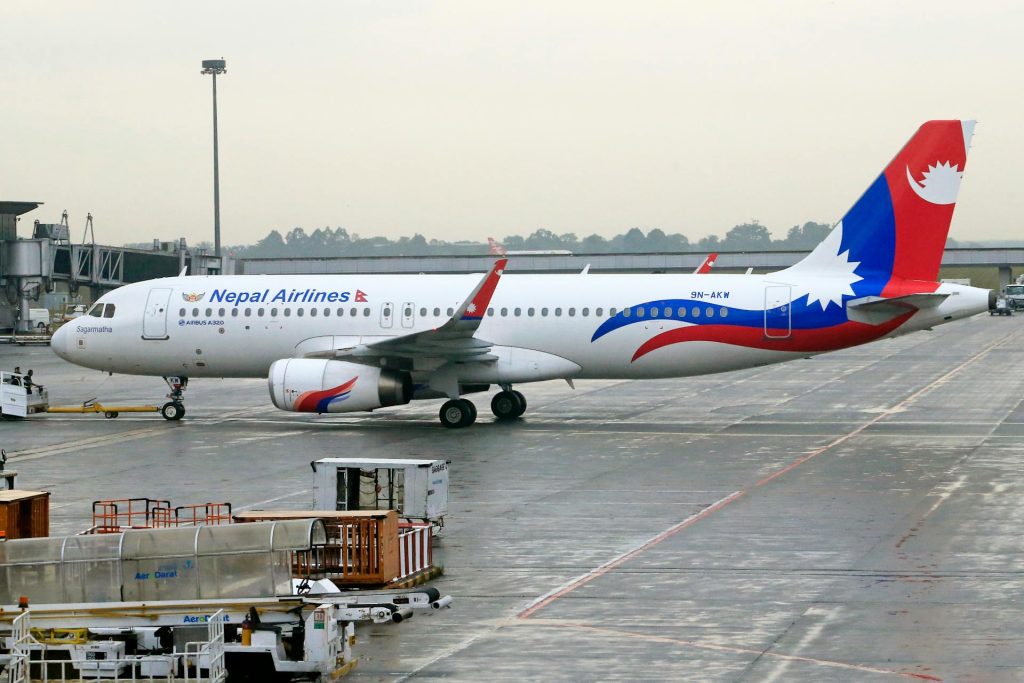
Domestic Flights in Nepal; Kathmandu to Lukla (CAD)
Kathmandu ↔ Lukla round trip: ~ CAD 570-630
Key realities you should understand:
- Lukla flights (and most other domestic Nepali flights) are weather-dependent.
- In peak seasons, flights often operate from Ramechhap, which is additional 4–5 hour drive from Kathmandu (when you book with a seasoned operator like RM Treks or others, they will make sure to handle all these complex logistics as efficiently and with ease as possible).
*If you book your trek well in advance, there is a very high possibility for you to secure a direct flight to Lukla from Kathmandu. - Again, buffer days are not optional; they are essential.
This KTM-LUA-KTM flight is mandatory for the standard Everest Base Camp trek and is arranged by RM Treks as part of the trek logistics.
Everest Base Camp Trek Permits & Government Fees (CAD)
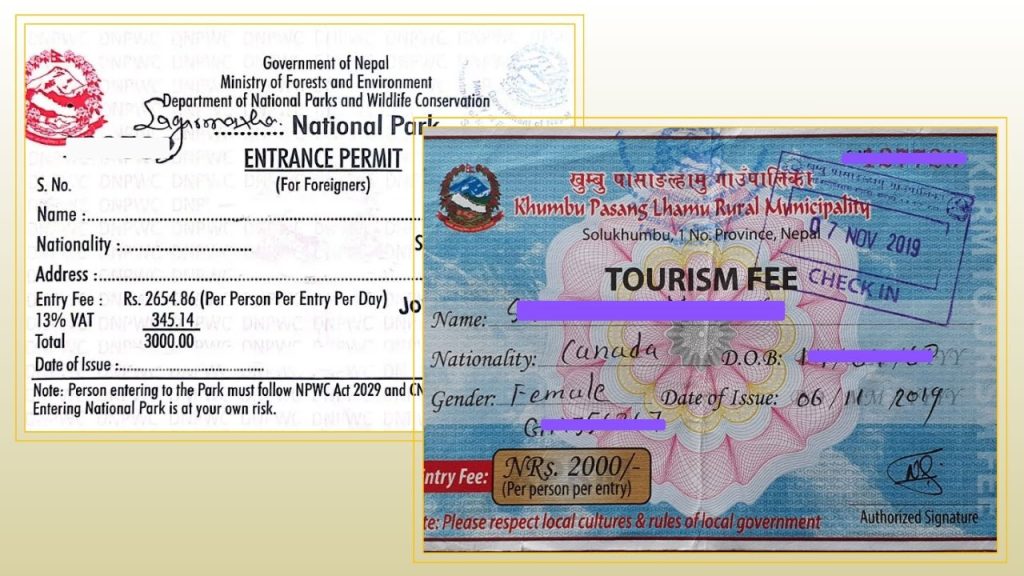
Required permits for EBC (2026):
1. Sagarmatha National Park Permit
~CAD 30
https://ntb.gov.np/plan-your-trip/before-you-come/park-entry-fees
2. Khumbu Pasang Lhamu Rural Municipality Permit
~CAD 20
TIMS Card
- TIMS is currently not required for Everest Base Camp
- It has been replaced by local permit systems in the Khumbu region
RM Treks arranges all permits before the trek. Canadians do not need to queue or manage paperwork.
Guided Trek Cost in Nepal (It’s Where Most Value Lies)
Guide Fees
Licensed, English-speaking local guide: CAD 45 – 65 per day
Why this matters?
- Critical route decisions, acclimatization pacing, and emergency judgment
- Life saving experience on higher altitude
- Communication clarity and calm leadership, which is consistently valued by the Canadian trekkers
Porter Costs (CAD)
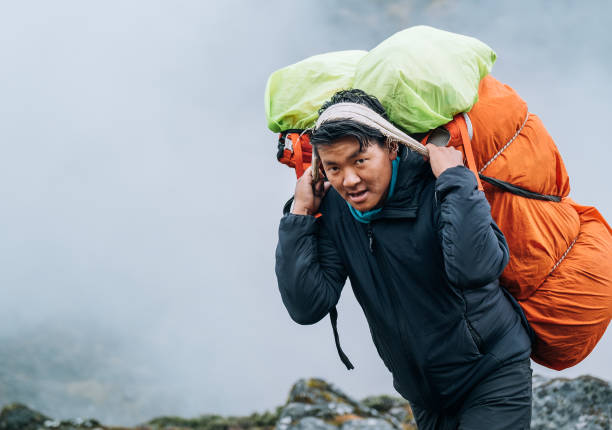
Porter support : CAD 30 – 40 per day
Ethical standards we follow:
- Max load: 20–25 kg
- Proper clothing, insurance, and meals
- Fair wages regardless of season
This is non-negotiable for responsible trekking.
Accommodation on the Trail
Accommodation during the trek is typically available in teahouses or lodges, with the option of upgrading to luxury lodges which are also available enroute.
Typical nightly costs (standard lodges):
- Lower elevations: CAD 5–10 per night
- Higher villages (above Namche): CAD 10–18 per night
- Premium/luxury lodges: CAD 80–150+ per night
Standard teahouse rooms are simple and functional, usually including:
- Twin beds
- Shared toilet facilities
- No heating in bedrooms
Premium lodges may offer:
- Private bathrooms
- Heated rooms or heated blankets
- Better insulation and dining facilities
As altitude increases, prices rise because all supplies must be transported by porters or yaks.
Meals on the Trek
Meals are served at teahouses along the trail, offering simple but nourishing food suitable for trekking at altitude.
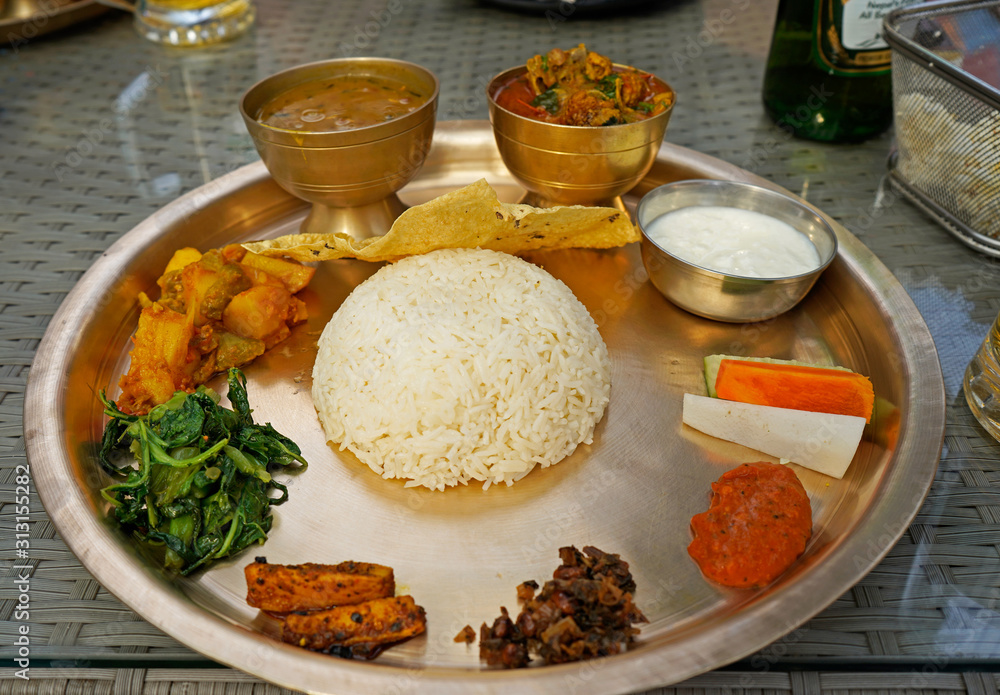
Daily food cost: CAD 30–45 per day
Why food prices increase at higher altitudes?
- No road access to villages
- Fuel and ingredients must be flown in or carried by porters and yaks
- Limited availability and menu options
Typical daily meals would include:
- Breakfast: porridge, eggs, bread
- Lunch: dal bhat, noodles, soup
- Dinner: dal bhat, pasta, rice-based dishes
Equipment, Gear & Rentals (CAD)
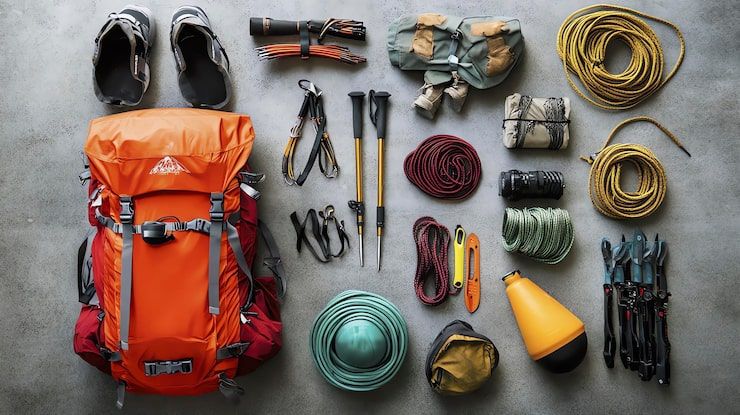
Recommended to bring from Canada:
- Well-broken-in hiking boots
- Base layers (thermal tops and bottoms)
- Waterproof outer shell (jacket and pants)
- Personal medications and essentials
Better to rent in Kathmandu:
- Down jacket: CAD 2–3 per day
- Sleeping bag (rated to –15°C): CAD 2–3 per day
- Trekking poles: CAD 1 per day
Typical 2-week rental total
CAD 50 – 80
Renting gear in Kathmandu is cost-effective and avoids carrying bulky items during international travel.
Travel Insurance & Emergency Coverage
Canadian provincial health plans do not cover high-altitude trekking or emergency evacuation in Nepal.
Coverage that is required:
- Trekking up to 5,500–6,000 metres
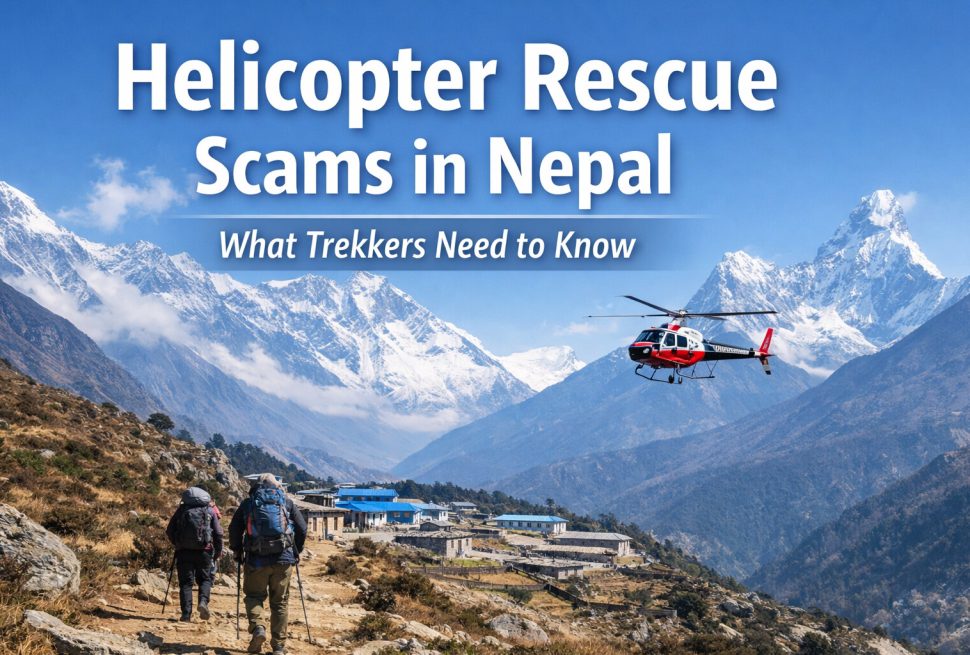
- Emergency helicopter evacuation
- Medical treatment and hospitalization in Nepal
Typical insurance cost for Canadians:
CAD 180–350, depending on duration and coverage level
This is not an optional add-on. Adequate travel insurance is a critical safety requirement and should never be compromised.
Tips, Charging, Wi-Fi & Small Daily Expenses
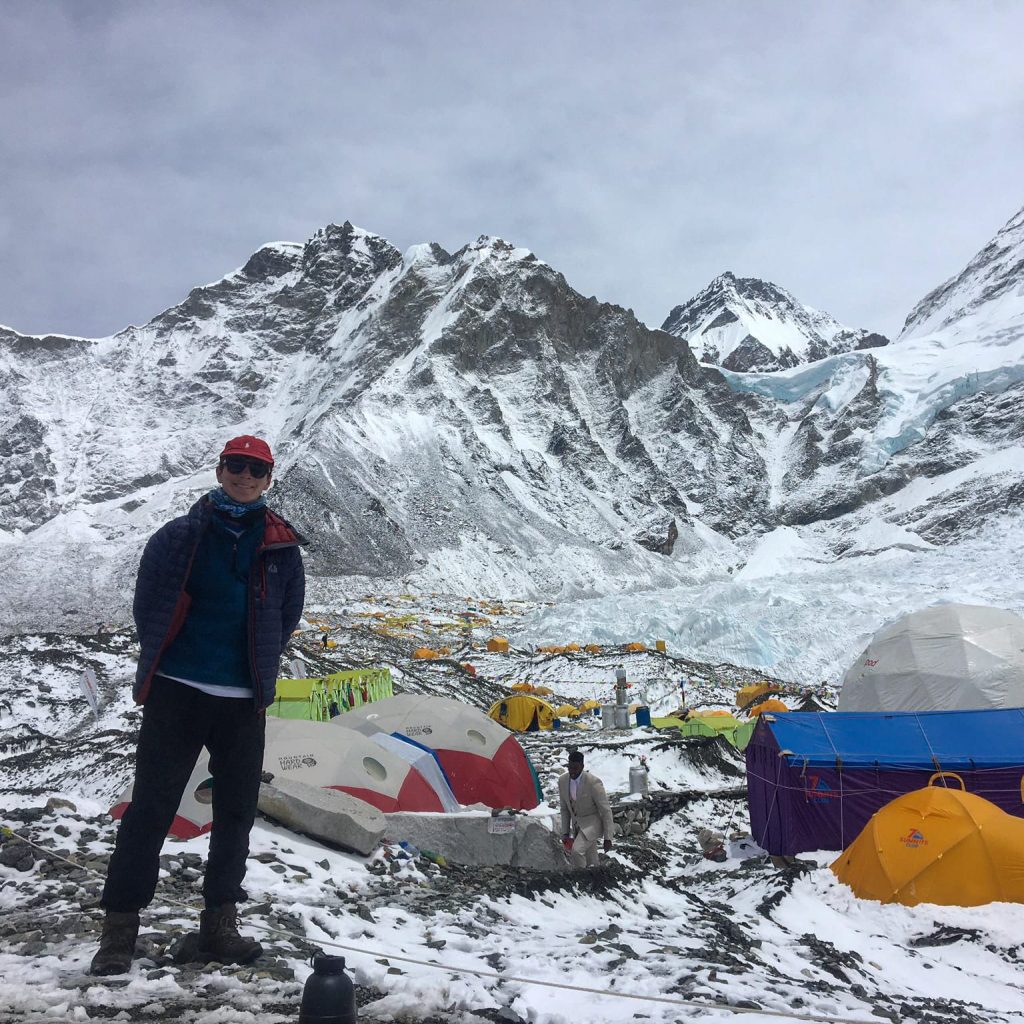
Tipping (CAD equivalents for the full trek):
- Guide: CAD 150–250
- Porter: CAD 100–180
Tipping is customary and a meaningful way to acknowledge good service.
Typical daily extras along the trail:
- Phone charging: CAD 3–6 per charge
- Wi-Fi cards: CAD 25–40 total (where available)
- Hot beverages (tea/coffee): CAD 2-4 in lower elevations, CAD 4-7 in higher elevations
- Hot showers: CAD 5–8 per shower
- Drinking water: CAD 2–4 per litre
These small costs add up over the course of the trek, so carrying sufficient cash is recommended.
Guided Trek vs Independent Trek – Cost Comparison for Canadians
Independent trekking can be a good option for experienced hikers, but it is not always significantly cheaper for Canadians once all typical expenses are considered.
Independent trekkers pay the same (if not more, which is actually the case, mostly) teahouse rates for accommodation and meals as guided trekkers, and any guides or porters hired independently are paid at standard or inflated daily rates. Because costs aren’t shared across a group, expenses can add up quickly, especially for solo or two-person treks.
Guided treks appeal to many Canadians because they offer simpler budgeting and logistical coordination, with permits, accommodation planning, and staff arranged in advance. However, it’s important to note that weather delays, flight cancellations, and altitude-related changes affect both guided and independent trekkers, and additional costs can apply in either case.
The key difference is not luxury or guaranteed savings, but how costs and responsibilities are managed as efficiently as possible. Independent trekkers handle decisions and coordination themselves, while guided trekkers rely on a centralized plan and local support. Both approaches involve trade-offs either in cost, flexibility, or responsibility.
Why Everest Base Camp Costs More (or Less) in Certain Seasons
The cost of an Everest Base Camp trek varies by season, largely due to weather conditions, demand, and logistical challenges.
Spring (March–May)
- Generally the best weather conditions
- Warmer temperatures and longer days
- Highest demand, especially in April and May
- Correspondingly higher prices for flights, guides, and lodges
Autumn (September–November)
- Clear skies and stable trekking conditions
- Popular post-monsoon season
- Peak pricing similar to spring due to high demand
Winter & Monsoon (December–February / June–August)
- Lower overall costs
- Higher likelihood of flight delays and route disruptions
- Colder temperatures in winter and reduced visibility during monsoon
Many Canadian trekkers choose April, May, or October despite a bit of higher prices comparatively, as these months typically offer more stable conditions and higher chances of completing the trek as planned.
Sample EBC Cost Breakdown – Realistic Budget (CAD)
Assumptions:
- Toronto departure
- Spring season
- Fully guided or independent trek (nearly sums up both the scenarios)
- Standard accommodation and meals
| Item | Cost (CAD) |
|---|---|
| International flights | 2,000 |
| Trek package (guides, porters, permits, accommodation, meals, domestic flights) | 2,350 |
| Expenses in Kathmandu (accommodation, basic sightseeing day tours) | 200 |
| Extras | 300 |
| Gear rental | 60 |
| Insurance | 250 |
| Tips | 350 |
| Total | 5,510 CAD |
Why Booking with a Local Operator Like RM Treks Makes Cost Predictable
For Canadians planning Everest Base Camp, booking directly with a local operator like RM Treks helps keep costs clearer and easier to manage.
RM Treks offers fixed departure dates for 2026, with the Everest Base Camp Trek priced from USD 1,460 (approximately CAD 2,020 depending on exchange rates). Because departures and logistics are planned well in advance, pricing is set as cheaper & efficiently as possible, and more transparently, reducing last-minute cost uncertainty.
Our pricing already includes major trek expenses such as permits, Lukla flights, teahouse accommodation, meals during the trek, guides, porters, and on-ground coordination. For Canadian trekkers, RM Treks also offers added value, including an additional CAD 100 discount per person, complimentary Kathmandu Valley sightseeing, airport transfers, and a 4-star Kathmandu hotel stay (2 nights) already included in the package. You could be saving worth up to CAD 300 when you book your EBC Trek with us.
Check out our EBC Trek in detail here (https://rmtreks.com/trip/everest-base-camp-trek).
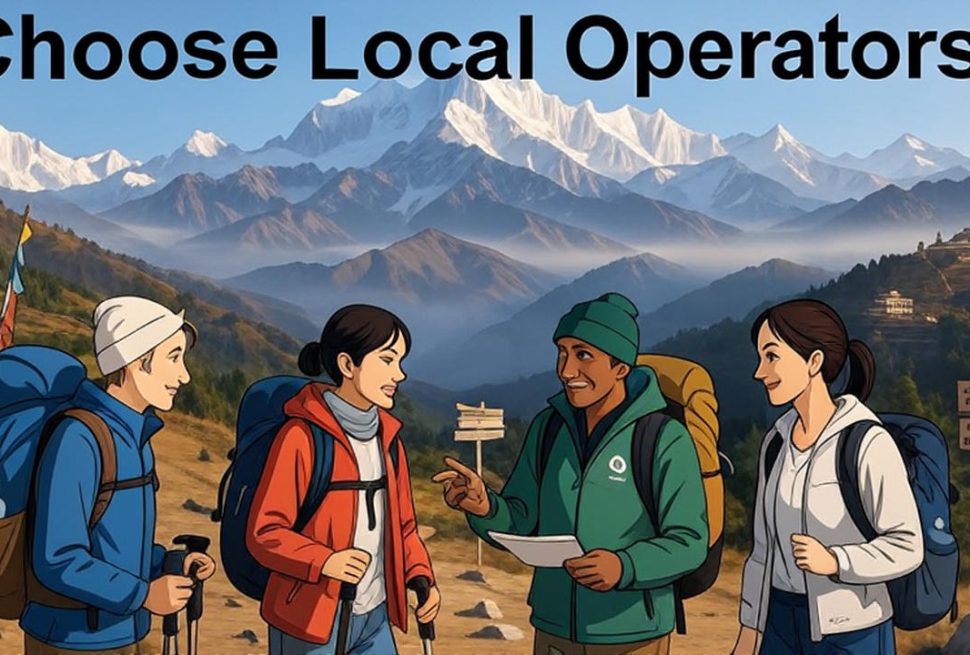
Booking locally also avoids third-party booking margins, supports fair wages for guides and porters, and allows real-time, locally informed decision-making on the trail. The result is a fully organized and properly planned trek, with fewer variables to manage along the way.
Also Explore:
- Everest Region Overview: https://rmtreks.com/country/nepal/everest/
- Trekking in Nepal: https://rmtreks.com/activity/trekking/
- RM Treks’ legal documents: https://rmtreks.com/official-documents/
- Testimonials from real clients: https://rmtreks.com/client-stories/
FAQs | EBC Cost for Canadians in CAD
USD is more widely accepted for exchange. NPR is used on the trail.
CAD 500–700 equivalent in NPR is usually sufficient.
Tipping is usually done in NPR or USD.
Yes slightly higher, mainly due to fuel, wages, and aviation costs.
Yes. By renting gear, choosing shoulder seasons, and avoiding last-minute flights, you can reduce the costs.
For most Canadians, yes, if properly planned and responsibly guided.
No. Cash only.
Intermittent. Do not rely on it.
Conclusion
Everest Base Camp is not a low-cost trek by any means, but it is achievable, predictable, and safe when planned with realistic expectations.
For Canadians, budgeting with confidence comes down to:
- Understanding the true costs in CAD, not just headline prices
- Avoiding assumptions that “cheaper” always means better value
- Working with experienced teams who manage this trek season after season
With proper planning and transparent pricing, Everest Base Camp becomes less about uncertainty and more about preparation. If you’re looking for a clear, ethical, and well-supported approach, you can explore how RM Treks organizes Everest Base Camp journeys and what’s included at each stage.