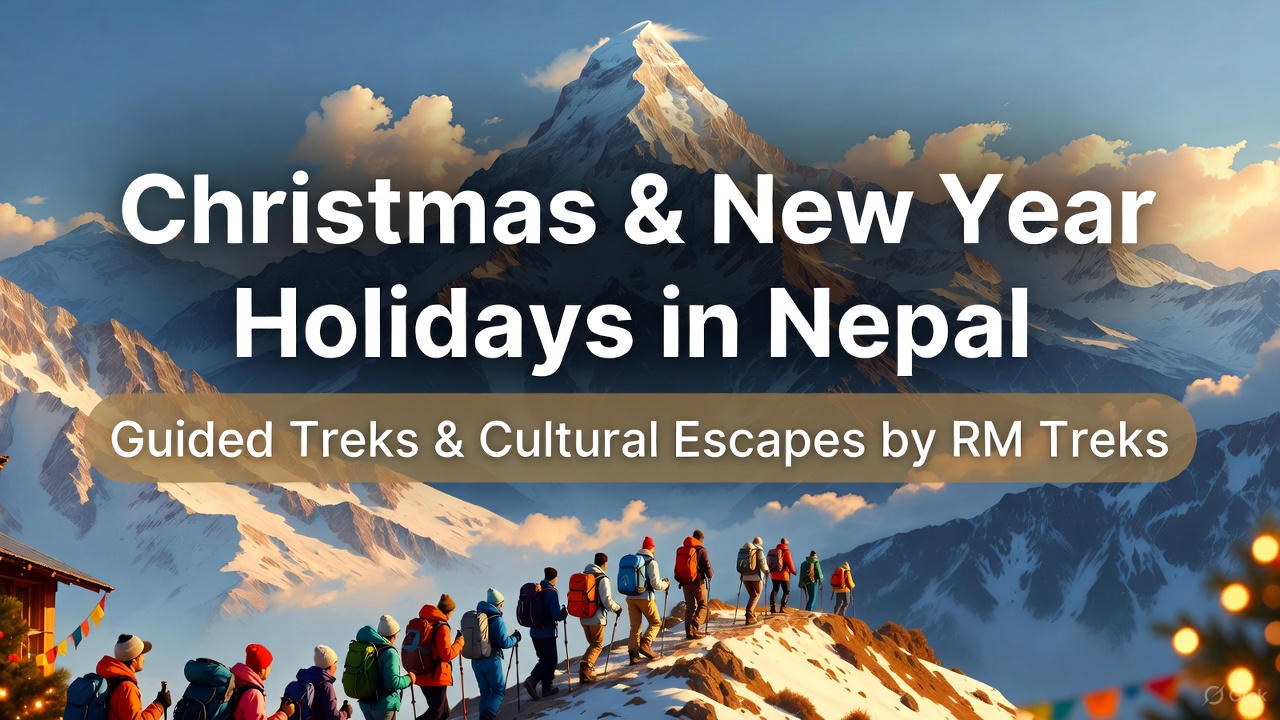
As the year winds down and the festive season beckons, imagine exchanging the familiar city bustle for crisp Himalayan air, snowy ridges softly lit by morning sun, and evenings spent by a log fire in remote mountain lodges. At RM Treks, we’re a team; your ground handlers, guides, planners, local-partners, who’ve been leading winter treks and cultural escapes in Nepal for years. This December/January, we invite you to join us for a truly special holiday: a blend of trekking, culture, celebration and sustainability.
In this article we’ll walk you through why Nepal is uniquely magical during the Christmas & New Year period, outline our two main holiday styles (relaxed cultural escapes and short treks with celebration), give you the insider’s view of conditions and our premium eco-mindful approach, present example itineraries, answer your FAQs, and finally show you why travelling with RM Treks means a stress-free, authentic Himalayan escape.
Why Choose Nepal for the Festive Season
We’ve guided groups in the Himalayas every December and January. One of the things we’ve come to appreciate is that this period offers a striking combination: exceptional mountain clarity, lighter crowds, local warmth, and a festive touch without the frenetic pace found elsewhere.
- Clear skies, stunning mountain visibility. In December, the monsoon is truly over, skies are typically crisp, and the mountain ranges become vivid against deep blue backdrops. One guide’s summary: “The skies during this time are clear… giving a glimpse of the spectacular snow-capped mountain vistas.”
- Fewer crowds, better lodge availability. Because the main trekking seasons are autumn (October/November) and spring (March/April), by December trails and villages quiet down. As Selective Asia site notes: “December in Nepal is chilly … but hikers will find that above Namche Bazaar it’s properly cold … the days tend to be dry and bright too.” For us as guides, it means we can offer more flexible, intimate experiences; fewer other groups, less hustle in lodges, more space to breathe.
- Authentic festive atmosphere with Himalayan flavour. Nepal doesn’t celebrate Christmas in the way some Western countries do, but you’ll find real conviviality: in Kathmandu and Pokhara there are festive dinners, live music, lakeside celebrations; in village lodges you’ll share tea with hosts who celebrate the turn of the year in their own way. For example: “Pokhara Street Festival, Lakeside … the annual festival brings Lakeside Pokhara to life … in the lead-up to New Year’s.” – Kimkim
- Reflective, slower pace; perfect for a meaningful break. Whether you’re mid-career, looking for something purposeful, or simply want to replace one year with another in a majestic setting, Nepal at year-end lends itself to reflection: meditation moments by mountain view, walks in quiet forests, cultural immersion in villages where life follows centuries-old rhythms.
From our field vantage, if you’re looking for a blend of nature, calm, celebration and real Himalayan culture; Christmas/New Year in Nepal is a rare and powerful combination.
Two Distinct Holiday Styles with RM Treks
At RM Treks we specialize in tailoring the experience to your mood, fitness, and travel goals. During the festive season we favor two tried-and-tested styles.
A. Cultural & Relaxed Holiday (No Trek or Light Walks)
This style is ideal for couples, families, first-time visitors to Nepal, or anyone who wants a meaningful holiday without full-on trekking. We handle everything: your stay, guided walks, cultural experiences, festive dinners.
What it looks like:
- Arrival in Kathmandu: we guide you through its UNESCO heritage sites (Patan, Bhaktapur, Swayambhunath, etc.) while you settle into the altitude gently.
- Transfer and stay in Pokhara: lakeside resort, gorgeous mountain views, boat ride on Phewa Lake, sunset hilltop walk.
- Day or Multi Day Trip to Chitwan National Park (or similar lowland safari): jungle afternoon, rhino spotting, nature walk.
- Festive evening(s): special dinner with Himalayan cuisine, live local performance, lakeside New Year countdown in Pokhara or relaxed fireside gathering in a hill-lodge.
- Inclusive, small group (mostly private) pace: optional half-day walks (2–3 hours), village visits, local artisan encounters.
Why choose this style:
- No prior trekking experience needed; comfortable lodges, no heavy packs, minimal altitude pressure.
- Great for families with younger children, or adults who want the Himalayas but also relaxation and culture.
- We can build in festive touches: special dinners, local volunteer/community visits (supports our eco-approach), optional yoga/meditation morning.
- From our field view: December in the hills (1500m–2000m) remains very accessible and comfortable, with bright days and crisp nights. We make sure guests are warm, well briefed, and avoid high passes where snow becomes a concern.
B. Short Trek & Celebration Holiday
For travelers seeking a genuine Himalayan trek, but still wrapped up within a holiday timeframe (4–10 days) and anchored by a celebration moment at the New Year; this style is our forte.
Example routes:
- Poon Hill (Annapurna foothills) or Mardi Himal; both 4-7 day treks, moderate altitude, spectacular sunrise peaks.
- We design for December/January conditions: e.g., lodge-stays, moderate daily walking (4-5 hours), time for rest, buffer for weather.
- New Year’s celebration in a mountain village lodge, or back in Pokhara lakeside, whichever you prefer: either high-spirit or mellow.
Key features of our approach:
- Premium lodges / teahouses: We select the best ones open in winter, hire local staff (from village communities), ensure quality service (hot water if possible, comfortable rooms, good meals).
- Safety & comfort: We carry extra gear, monitor trail conditions daily, have alternate routes ready (for snow or early winter conditions).
- Expert local guides + porters: We’re locally rooted; our guides know the region intimately, the weather behavior in December, local village culture, gear rental & layering hacks.
- Winter-wise itinerary: We avoid very high passes (>4000–4500 m) for most of our December clients, since snow/ice can close lodges or block trails. A third-party research backs this: “By mid-December high-elevation trekking becomes treacherous and many teahouses close.” – Swichback Travel
- Celebration moment built-in: At the New Year we organize a festive dinner, local music, lantern release (where village appropriate), but still with the rhythm and calm of Himalayan life; not a loud city night.
From our field-tested view: short winter treks around 2000-3000m altitude are superb in December/January; clear views, quiet trails, genuine village hospitality, but they need smart design (weather buffers, good gear, flexible lodges). That’s what we deliver.
What Makes a Christmas or New Year Holiday in Nepal Special
There’s something intangible about this season in the Himalayas. As the RM Treks team, we’ve seen how landscapes, communities and travellers all come together in unique ways.
Morning sun on snow-tipped peaks
Imagine standing before dawn on the viewpoint at Poon Hill or from a veranda in the Annapurna foothills. The first rays light up Machapuchare, Annapurna South, Hiunchuli; the air is crisp, the clouds minimal, the silence only broken by birds or village bells. In December, the air tends to be cleaner, the visibility higher. We guide our clients to early viewpoints because the light and clarity make photography and mind-quieting alike.
Villages decorated for local festivals
Though Christmas and New Year are Western festivals, Nepal has its own cycle of winter festivities and village markets. For example, the local festival Yomari Punhi (celebrated by Newar communities) is part of the season’s rhythm. In remote lodges we’ll often join village families for their evening cups of tea, hear their winter stories, learn how they mark year-end, and that warm hospitality is deeply grounding.
Lakeside New Year or hearth-side celebration in the mountains
In Pokhara, the lakeside comes alive with street-food, live music and a lakeside countdown. But we also love arranging something quietly magical in the mountains: lodge dinner, local music, torch-walk, bonfire under stars. You choose your style: lively or intimate. For many of our winter groups the countdown under a crisp mountain sky, with a view of snow-dusted peaks, becomes a highlight they still talk about.
Local hospitality and cultural richness
We prioritize staying in village-owned lodges, engaging local guides, using local food and transport. You’re not just a trekker being moved through the scenery; you become part of a community for a few days. Winter allows for slower paced experience: fewer groups around, more time for conversation, observing daily village rhythms (wood-fires, yak-herds, children walking home from school). For us this is essential: meaningful travel is people-to-people travel.
Sustainability: our commitment
Not only because trails are quieter & tourism flows lower in the festive season (which is still a big factor) but also because of our long-standing goal of leaving as small footprints as possible, we place emphasizes on small group sizes (primarily private), minimal plastic use, local staff hire, waste-management in lodges. We carry out community support (e.g., vetting lodges for eco-standards, buying local produce, offsetting carbon for our operations).
We believe premium travel means travel with conscience.
Weather, Trail Conditions & Packing Tips
Because we lead treks during December/January, we know the importance of accurate briefing, robust gear, and flexible planning. The following are real-life insights from our field experience.
Weather & conditions snapshot
- Daytime in lower-hills/valleys (1500-2500 m) can be mild: sunshine, 8-15 °C or even a bit warmer on sunny afternoons.
- Nights drop significantly: at 3000m expect below freezing at times. One summary: “In December the climate in the hilly region is around 2 °C to 12 °C. However, the temperature in the Himalayan region goes below the freezing point.”
- In higher regions (>4000-4500 m) snow, ice and strong winds become significant. By mid-December high elevation trekking becomes treacherous and many teahouses close.
- Trails in the lower- to mid-altitude regions (2000-3000 m) remain very good: dry, stable, clear. An article from Highland Expeditions states: “The trail conditions during winter are good. The trails are dry with cool weather during day time at lower elevation are the perfect conditions for trekking in Nepal during winter.”
- Accommodation: most lodges in the Annapurna foothills and similar regions stay open, though you need to choose carefully for winter-specific opening. One practical user note from Reddit: > “It will be very cold overnight … and some tea houses close.”
Key trail/operational tips from our field work
- Buffer days: Always build 1-2 extra days (ex. domestic flights between Kathmandu ↔ Pokhara) to accommodate weather delays or flight disruptions.
- Alternate route ready: If higher pass is snow-bound, we revert to a lower-altitude route with excellent views and safe lodges (this is built into every RM Treks plan).
- Gear rental in Kathmandu/Pokhara: We provide pre-departure gear briefing and can show you around Thamel in organizing high-quality rental gear (down jacket, thermal liner, gaiters, etc) if you prefer not to carry everything from home.
- Lodge pre-booking: We pre-book the best lodges open in winter to ensure hot water, good food, and secure rooms. Because winter numbers are fewer, some lodges may close unexpectedly if they don’t get enough guests; thus our local network ensures we confirm early.
- Altitude management: Although our short treks stay moderate, we still plan easy first days, rest days, and stay aware of cold-weather risks (frostbite, icy trails).
- Transport reliability: December/January generally offers better reliability of domestic flights (less monsoon delay). But weather at high altitude (fog, early snow) still needs contingency. We prefer morning flights, avoid late arrival if altitude unsettled.
- Days are shorter: In winter the daylight hours are less; we plan final summit / viewpoint hikes early to ensure descent in daylight.
- Wildlife and nature: Lower-altitude jungle safaris (e.g., in the Terai) are excellent in December: dry, clear, good visibility. For example, the weather summary in Nepal cited by Interpid Travel: “The dry season is usually filled with warm days and clear visibility.”
Practical Gear Checklist (winter-trek edition)
Clothing
- Thermal base layer (top + bottom)
- Mid-layer fleece or wool sweater
- Down jacket (warm, packable)
- Waterproof/breathable shell jacket and pants (for wind/snow)
- Trekking trousers (quick-dry)
- Warm hat/beanie, buff/scarf
- Good gloves (inner liner + outer shell)
- Warm socks (several pairs)
- Gaiters (if there’s snow/ice on trail)
- Sunglasses (UV protection) + sun-cream (even in winter the sun on snow can burn)
Footwear
- Sturdy trekking boots (worn in, ankle support)
- Lightweight shoes or sandals for lodges
- Waterproofing spray or treatment
Equipment
- Sleeping bag (rated to at least -5 °C, we recommend -10 °C)
- Headlamp with spare batteries
- Reusable water bottle / insulated flask
- Trekking poles (helpful in icy/uneven sections)
- Basic first aid kit (blisters, cold-weather items)
- Charged power bank (lamps/phones)
- Compact day-back (carries snacks, layers, water each day)
Extras (highly recommended)
- Micro-spikes or crampon-set if venturing above ~3000 m and trail is icy (our guides will assess)
- Waterproof dry-bag for electronics
- Hand-warmers
- Ear-plugs / sleep mask if lodge is less insulated
- Travel insurance that covers helicopter evacuation (especially if going higher than 3000 m)
What RM Treks provides
- Pre-trek gear briefing and packing-list custom to your route.
- Gears rental recommendation in Kathmandu/Pokhara (down jacket, sleeping bag, gaiters).
- Guide-carried safety kit (first-aid, spare gear, emergency blankets).
- Local lodge network we know are winter-ready (pre-checked).
- Transport & accommodation logistics meticulously arranged (morning flights, buffer days).
Example Itineraries (Short Overviews)
We pride ourselves on customizable itineraries. Here are two templates we’ve successfully run in previous years; tailored for the the upcoming festive season.
1. Cultural Holiday : 7 Days
- Day 1: Arrive Kathmandu, welcome dinner with RM Treks team, orientation & festive briefing.
- Day 2: Guided heritage walk Kathmandu Valley (Patan, Bhaktapur, Swayambhunath). Evening stroll in Thamel, light festive, etc.
- Day 3: Fly/drive to Pokhara, lakeside hotel, boat ride on Phewa Lake, sunset at hill-view.
- Day 4: Light guided walk in hills above Pokhara (2-3 hours), cultural village visit in the afternoon.
- Day 5: Transfer to Chitwan National Park, afternoon jungle walk or canoe ride, evening cultural dance.
- Day 6: Morning safari. Special New Year’s Eve dinner and riverside celebration or lodge fireplace-gathering in the jungle resort.
- Day 7: Leisure morning, fly/drive back to Kathmandu, departure or extra night if you wish.
Customization options: Extend an extra night in a luxury lodge, add spa/wellness day, include cooking class with local chef, village homestay.
2. Short Trek Holiday : 8-10 Days
- Day 1: Arrive Kathmandu, welcome meeting and briefing.
- Day 2: Drive/fly to Pokhara, lakeside easy walk, rest.
- Day 3: Drive to trailhead, begin short trek (e.g., Mardi Himal or Poon Hill region). Lodge stay.
- Days 4-5: Trek through rhododendron forests, ascend to viewpoint (~3000 m), stay in premium lodge with views.
- Day 6: Early viewpoint hike for sunrise, return to lodge, celebration dinner (New Year’s Eve) in mountain village with local music, fire-pit, starlit sky.
- Day 7: Descend to Pokhara, leisure afternoon, lakeside recovery.
- Day 8: Return to Kathmandu or add safari in Chitwan if you wish a full combo.
- Day 9-10 (optional): Extra days in Kathmandu or another low-altitude trek extension.
Why it works: The altitude stays moderate, the lodge standard remains high, we build in celebration plus rest. And more importantly, we keep contingency days so weather doesn’t rush you.
RM Treks’ Eco-Mindful, Premium Approach
We believe premium travel and sustainability go hand-in-hand. As a local-rooted team, our ethos is conscientious, community-connected, and deeply practiced.
Sustainability & local partnership
- We hire local guides, porters and lodge-staff from the region. Our guests get authentic village contact; local people gain meaningful employment.
- Waste-management: In mountain village lodges we encourage minimal plastic, look for lodges that have eco-practices (recycling, minimal packaging).
- Carbon-offset and ethical sourcing: We calculate our group carbon footprint and support offset schemes; we buy food and supplies from local producers, not import everything.
- Cultural respect: We brief guests on local customs, support village-led tourism, give back via small community-projects (library micro-funds, lodge upgrades) where appropriate.
Premium difference
- Small groups, private departures: We rarely run large groups during winter (or any other time for that matter); instead we focus more on private inclusive trips, so you get personal attention from guide + support staff.
- Lodges we know: We’ve scouted and vetted the mountain lodges open in December/January; ensuring they’re up-to-standard for comfort, warmth, food quality.
- Detailed itinerary-design: Because we lead winter treks often, we build in real contingency buffers, flexible legs, excellent combined culture & nature.
- Safety & training: Our guides are certified, experienced with winter conditions, carry satellite comms, first-aid kits, weather updates and liaison contacts.
- Community-rooted: We’re based in Nepal, not overseas. Our operations are local, and our success depends on the well-being of local communities, so we treat resources, trails and people respectfully.
FAQs
Is December/January a good time for trekking?
Yes, with appropriate route choice and gear. December offers exceptional visibility, fewer crowds and a unique atmosphere. But you must choose moderate altitudes and ensure contingency.
How cold does it get?
At lower altitudes (1500-2500 m) day temperatures may be around 8-15 °C; nights significantly colder. At 3000 m you might be below freezing at night; above 4000 m expect snow and colder extremes.
Are trails and lodges open?
For moderate-altitude treks (2000–3000 m) yes — many lodges stay open year-round or during festive season. At very high altitude (passes >4500 m) many tea-houses close in winter. From a user forum on Reddit: “some tea houses close.”
We pre-check and pre-book lodges for you to avoid surprises.
What level of fitness do I need?
For our short-trek option: moderate fitness (4-5 hours walking each day, some uphill but plenty of rest). We organize walking pace for mixed groups, rest days, and we carry grade-A support. For cultural holiday: no strenuous hiking required.
We’ll always ask for your recent activity level and tailor route accordingly.
How festive are Pokhara/Kathmandu/trek villages?
Quite charming. In Pokhara you’ll find lakeside parties, street food events and live music (especially for New Year). In the trekking regions you’ll have lodge-celebrations, local music, bonfires, mountain community dinners. It’s festive but still low-key and Himalayan-authentic, not over-commercial.
How do you manage safety in winter?
- We carry full safety kit (sat-comms, first aid, spare gear).
- We monitor weather daily, stay in close contact with lodge-owners for trial conditions.
- We build in buffer days and alternate route options.
- We ensure guests have the right layering gear and walking boots.
- Our guides are trained for cold-weather trekking and know how to slow pace, prevent cold-injuries, check for signs of altitude or cold-stress.
- We limit our winter treks to routes we know can safely be done in December/January. High passes or unpredictable snow zones are not part of our default plans unless you are experienced and prepared.
What should I pack?
See the gear checklist above. In brief: layers, warm jacket, thermal base, waterproof shell, good boots, gaiters, sleeping bag rated for cold, headlamp, day-pack, trekking poles.
Remember: even if days are sunny, nights can drop sharply.
What about private departures?
We strongly encourage private or small-group departures for the festive season (Christmas & New Year). Availability is limited, lodges are fewer and we prioritise our clients for best choices. Early booking is strongly recommended.
Why Travel with RM Treks
Here’s why we believe RM Treks is the right partner for your 2025/26 festive Himalayan holiday:
- Our experience: We are a team of ground handlers, logistic experts, guides, trek-designers and destination specialists who have led winter programmes in Nepal for decades. We know the conditions, we know the people, we know what makes a winter trek successful and joyous.
- Locally rooted and trusted: We are Nepali-based, our staff from the region, our partners village lodges we’ve personally vetted. When you travel with us, you’re not on an assembly-line tour; you’re with a team that respects and supports local communities.
- Safety & eco-first philosophy: We take winter conditions seriously. We prepare you, gear you up, monitor the trail, build in flexibility. We also invest in sustainability: local staff, waste-management, carbon-offset, respectful community engagement.
- Premium, personalised approach: Small private groups, premium lodges or upgraded suites, bespoke itineraries not fixed cookie-cut templates. We listen to your energy, your fitness, your celebration style and craft accordingly.
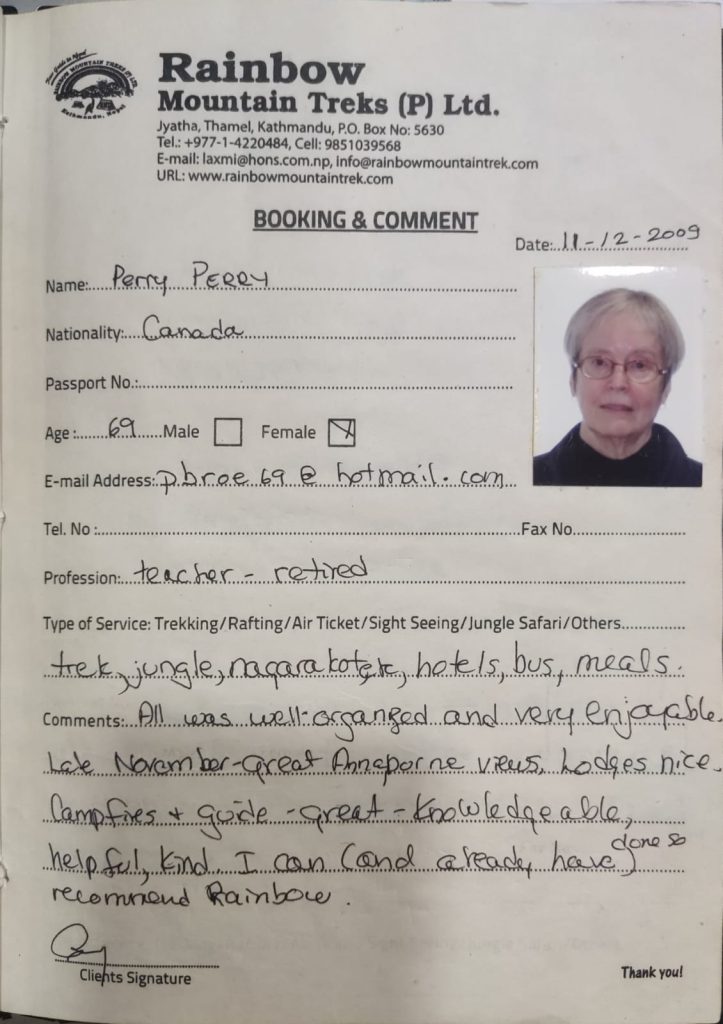
- Testimonials & winter-field-track record: Guests from past December groups tell us they appreciated the clear skies, the intimate lodges, the friendly village hosts, the unique New Year’s celebration with a Himalayan backdrop. We keep in touch and build our knowledge each season.
Plan Your Private Christmas or New Year Escape
Let’s make your year-end holiday something extraordinary.
From here’s what you can do:
- Contact our team ( WhatsApp, Email or our Custom Tour Form ) : Tell us your dates (Christmas & New Year 2025/26), desired duration, preferred style (Cultural vs Short Trek), group size, any special requests (family, honeymoon, wellness add-on).
- Early‐booking advised : Festive season in the Himalayas means peak demand for the best lodges and guides. We open departures now to secure space.
- Customize your itinerary : Want extra days post-trek? Add a Everest Flight in Kathmandu, add a jungle safari in Chitwan, or a mountain resort stay at Dhulikhel. We’ll adapt.
- Gear and preparation package : Once you’re booked, we’ll send you a detailed winter-trek packing list, offer gear rental, provide a pre-departure briefing in Kathmandu.
- Enjoy the journey : Arrive, settle into Kathmandu, breathe deep, trek though clear skies, celebrate New Year under stars, and return with an unforgettable year-end story.
We thank you for going through this lengthy article and considering RM Treks for your Himalayan holiday. We’d be delighted to guide you through this magical season in Nepal, combining natural spectacle, local culture, meaningful travel and premium comfort.