The Growing Shift Toward Local Trekking Companies
Over the past decade, more travelers arriving in Nepal have started booking directly with local trekking companies instead of large Online Travel Agencies (OTAs). At RM Treks, we see this shift every season: a quiet but steady movement toward authentic, transparent, experience-driven travel.
Travelers aren’t rejecting OTAs; they’re simply recognizing that Himalayan trekking is not a mass-produced product. Routes change, weather shifts quickly, flight logistics are unpredictable, and the mountains reward those who rely on local knowledge rather than automated systems.
What Big OTAs Are and How They Work
OTAs operate as global marketplaces. They aggregate tours from multiple countries and present them as standardized products. The model is convenient — but in mountain environments like Nepal, it often oversimplifies the complexity of trekking logistics.
OTAs typically:
- Sell trips designed for volume
- Depend on local subcontractors they’ve never met
- Charge commissions of 20–30% or more
- Promote fixed itineraries with little flexibility
- Rely on generic trip descriptions and one-size-fits-all expectations
This is not inherently “bad.” But it creates a gap between traveler expectations and the realities of Himalayan trekking, where terrain, weather, altitude, and logistics require on-the-ground expertise.
Why More Travelers Are Questioning OTA Models
Travelers today are more informed. They research beyond the first page of results and want:
- Transparent pricing
- Direct communication with guides
- Realistic itineraries based on local conditions
- Ethical companies that pay fair wages
- Quick solutions when things go wrong
OTAs struggle with this because they don’t control field operations.
How Local Operators Offer a Different Kind of Experience
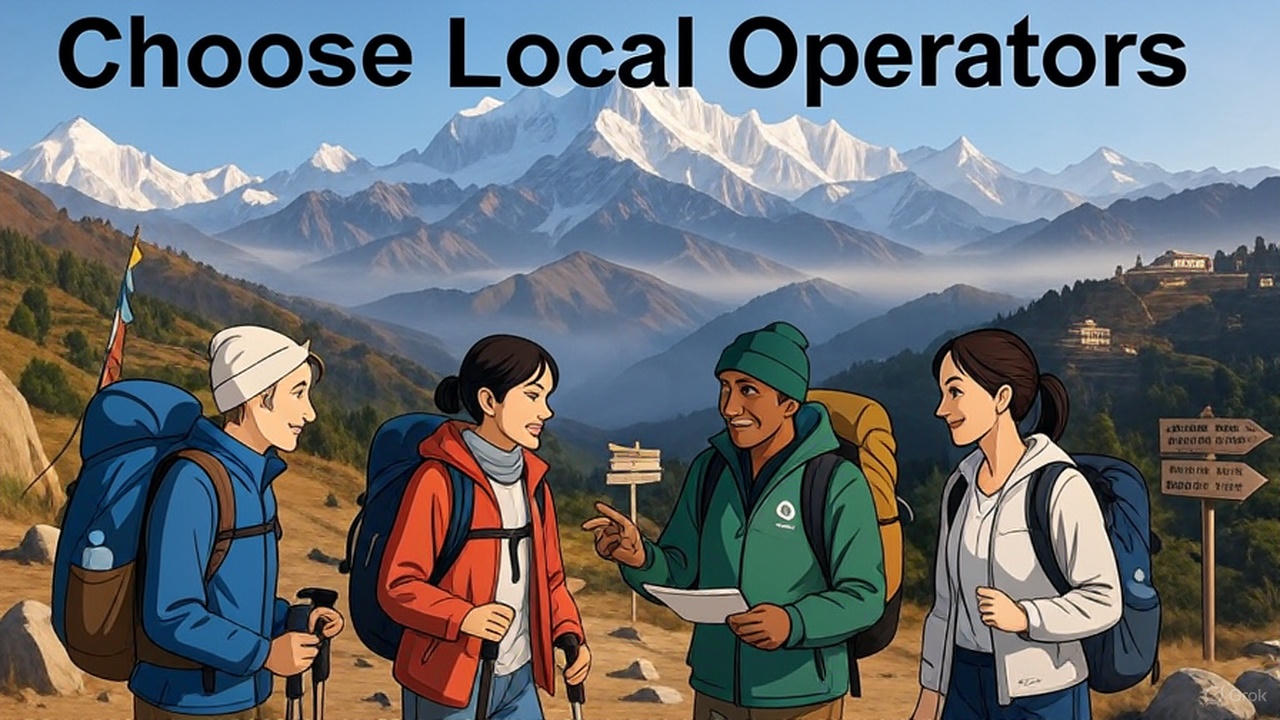
Local operators like RM Treks coordinate every component — guides, porters, vehicles, logistics, weather monitoring, and evacuations. Decisions are made by people who live and work in these mountains. That’s why seasoned travelers increasingly prefer to book directly with us.
1. Higher Personal Attention and Authentic Local Expertise
Why Local Knowledge Matters in the Himalayas
In Nepal, the quality of your trek depends on your guide’s understanding of:
- Altitude risks
- Daily weather cycles
- Trail variations
- Community dynamics
- Local festivals
- Lodge availability
- Seasonal changes in water, snow, and wind
This isn’t knowledge you can learn from a downloadable itinerary. It comes from years in the field.
Real Examples of Situations Only Local Operators Can Respond To
In a typical trekking season, local operators handle:
- Unexpected trail reroutes after landslides
- Acclimatization decisions based on subtle symptoms beginners don’t recognize
- Adjustments for domestic flight delays, especially at Lukla
- Finding alternative lodges during peak season when villages fill unexpectedly
- Predawn weather assessments to identify safe windows for high passes
- Coordinating rescues with local helicopter teams
An OTA itinerary has no mechanism for this flexibility. A local operator makes real-time decisions — often before the guest even realizes something has changed.
The Value of Knowing Terrain, Community, and Seasonal Shifts
Local operators know which lodges serve dependable food in early winter, which trails become icy after 2 PM, and which bridges get washed out during monsoon. These details directly affect your comfort and safety — and they are rarely reflected in the generic OTA product pages.
How RM Treks Personalizes Itineraries for Each Guest
We adjust:
- Daily pace
- Acclimatization stops
- Lodge choices
- Cultural experiences
- Side trips
- Weather-based route changes
Travelers often mention in reviews that they felt like we “read the route” for them — anticipating needs and adapting to their pace. That level of personalization simply isn’t built into OTA systems.
2. Better Value for Money: Understanding OTA Commissions
What OTA Commission Structures Actually Look Like
Commissions of 20–30% are standard, and some platforms take even more from the operator. This means the local company receives only a fraction of the price you pay online.
As we’ve explained in detail in our article How OTA commissions hurt local tour operators and travelers, these fees force subcontracted local operators to cut costs somewhere.
How Commissions Affect Prices, Wages, and Service
When large OTAs take high commissions:
- Guide and porter wages often get squeezed
- Safety budgets are reduced
- Training and emergency readiness are deprioritized
- Accommodation quality drops
- Group sizes increase to maintain margins
Travelers frequently tell us they paid more through an OTA but received less service in the field.
Why Direct Booking Supports Ethical Tourism
When you book directly:
- Your money stays in Nepal
- Guides and porters receive fair, transparent wages
- Safety training and equipment are properly funded
- The company has full control over the trek experience
- Local communities benefit more meaningfully
It becomes a responsible and sustainable choice rather than just a financial one.
Link to RM Treks’ OTA Related Article
For a deeper explanation, see our analysis here: How OTA commissions hurt local operators and travelers.
What Local Operators Do With Savings (gear, safety, fair wages)
Direct bookings allow us to invest in:
- Proper guide training
- Reliable safety gear
- Fair porter welfare
- High-quality meals
- Realistic acclimatization schedules
- Emergency readiness
This is why travelers consistently describe RM Treks as transparent, fair, and grounded in real field experience.
3. Trust and Transparency Through Real Reviews
Why Google Reviews Provide More Authentic Insights
Google Reviews are difficult to manipulate. (Here is our’s) Travelers post:
- Long-form accounts
- Real situations they encountered
- Details of guide behavior, pacing, and decision-making
- Honest feedback about logistics
This makes them far more reliable than curated OTA review snippets.
What Long-Term Review Patterns Reveal About an Operator
Themes that appear again and again in reviews tell you:
- How guides actually behave on the trail
- How consistently logistics are handled
- Whether safety-first decisions are made
- If the company supports beginners
- If field staff feel empowered and professional
Consistency over years is the real marker of trust.
How Big OTAs Often Filter or Standardize Feedback
OTA platforms frequently:
- Shorten reviews
- Remove operational details
- Organize feedback into simple star ratings
- Hide negative reviews behind layered filters
This creates an incomplete picture compared to the raw transparency of Google Reviews.
4. The Advantage: What Local Operators Do Better
Customized Itineraries Designed by People Who Work on the Ground
We design itineraries based on:
- Local seasonal patterns
- Lodge availability
- Trail conditions
- Weather history
- Guest fitness and pace
- Cultural opportunities
An itinerary isn’t a static PDF: it’s a living plan.
Ethical Tourism Practices & Fair Treatment of Staff
RM Treks is built on local ownership and ethical guiding principles.
Our focus includes:
- Fair pay
- Proper insurance for staff
- Responsible load management for porters
- Transparency with guests
- Community support
You can read more about our values on the About Us page.
Fast Communication & Real Human Support
When travelers contact us, they speak with decision-makers: not outsourced call centers.
We provide:
- Realistic expectations
- Detailed packing advice
- Weather updates
- Emergency guidance
- Honest answers, even when it means saying no to unsafe plans
Review-Based Evidence
Many travelers mention how our direct communication, honest expectations, and professional guides made their trek smoother than they had imagined, and that booking locally felt more personal and reliable.
Link to About Us and Client Stories Pages
- Learn more about our approach: About Us
- Read guest stories: Client Stories
Why Booking Local Leads to a More Meaningful Trek
Summary of Key Reasons Travelers Choose Local
Travelers prefer local operators because:
- Local knowledge enhances safety
- Weather decisions require real-time expertise
- Personal attention makes the trek richer
- Money supports local communities
- Prices are fairer without hidden commissions
- Field staff are treated ethically
- Communication is clearer and faster
- Reviews reflect real experiences
Final Encouragement to Research Reviews
Before booking anywhere, look for long-term review patterns.
Check what guests say about pacing, safety, culture, and communication.