To trek the Classic Annapurna Circuit is to follow in the footsteps of the earliest Himalayan adventurers; to walk from the warm, terraced foothills of Lamjung into the thin-aired world of the trans-Himalayan plateaus, circling the entire Annapurna Massif on foot.
Since opening to foreign trekkers in the late 1970s, the Annapurna Circuit has been hailed as one of the most beautiful and diverse trekking routes on Earth. This is the authentic, full-length version; the way it was done before roads and shortcuts; offering the purest form of the Annapurna experience.
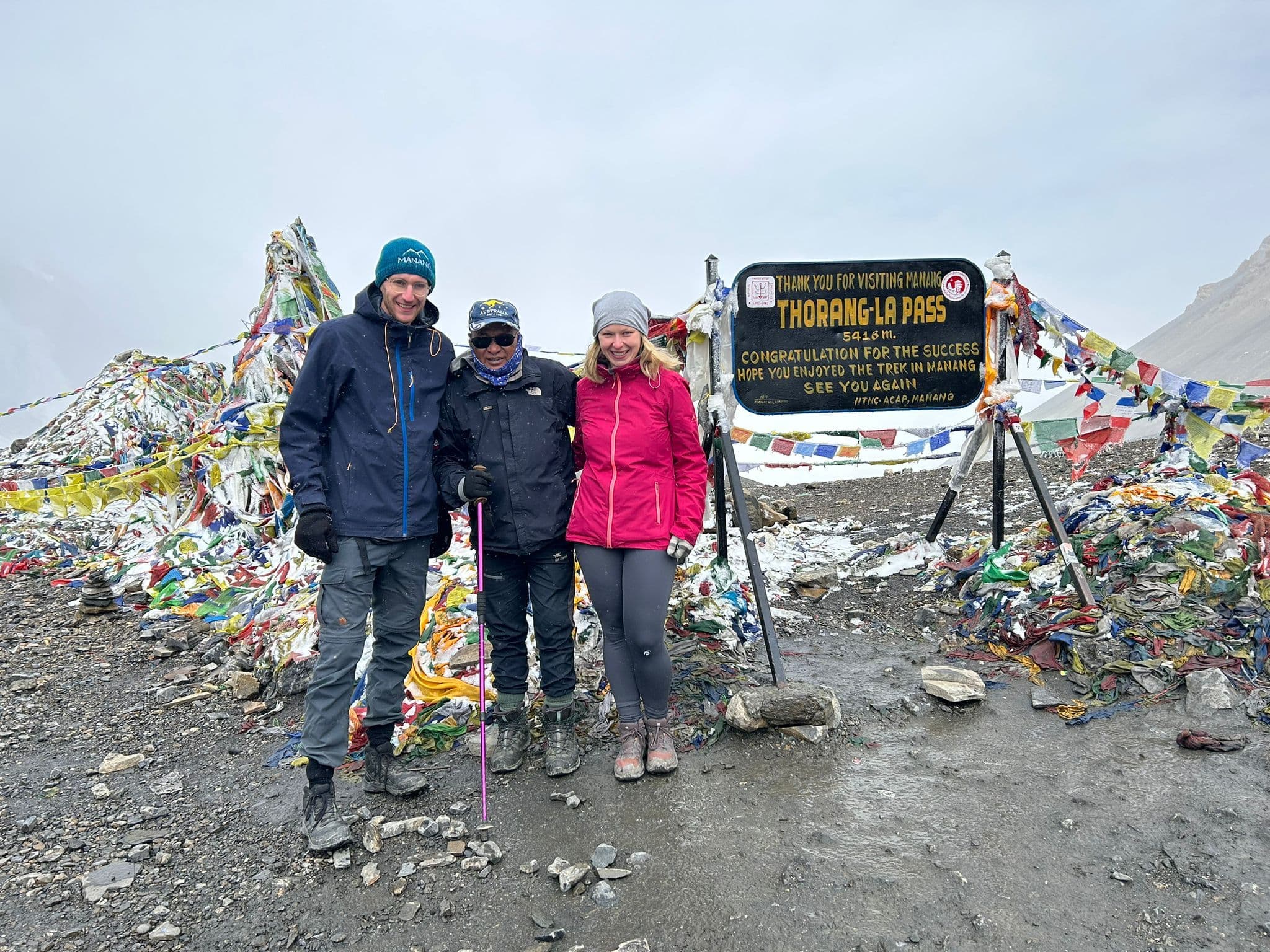
The route begins at Besishahar, following the Marsyangdi River valley through lush subtropical villages, rhododendron forests, and terraced farms before ascending toward the Manang Valley, the mystical heart of the circuit. From there, you gradually acclimatize before the ultimate challenge; the crossing of Thorong La Pass (5,416 m), one of the world’s highest trekking passes.
Descending into the sacred pilgrimage site of Muktinath, the trail continues through Kagbeni, Marpha, and Tatopani, leading you through the world’s deepest gorge; the Kali Gandaki Valley, before a final climb to Poon Hill for one of the finest sunrise views in the Himalaya.
Who This Trek Is For
This trek is designed for adventurous, fit travelers who want to experience the full diversity of Nepal — from subtropical forests to high Himalayan deserts — entirely on foot.
Perfect for you if you:
- Want the authentic, complete Annapurna Circuit experience.
- Are moderately to highly fit and enjoy 6–7 hours of trekking per day.
- Appreciate cultural immersion and traditional teahouse stays.
- Want a full 3-week Himalayan adventure with gradual acclimatization.
Not ideal if you:
- Prefer shorter itineraries or vehicle-assisted sections.
- Have limited time or cannot trek above 5,000 m.
Why This Trek Is Classic
In recent years, roads have shortened parts of the circuit — but for purists, nothing compares to walking the entire route.
The Classic Annapurna Circuit Trek avoids vehicle shortcuts and follows the original trail system as much as possible, offering the deeper connection, slower rhythm, and rewarding sense of completion that make it legendary.
You’ll see the landscape change step by step — from paddy fields and waterfalls to barren Mustang cliffs and snowfields — the same way the early trekkers experienced it.