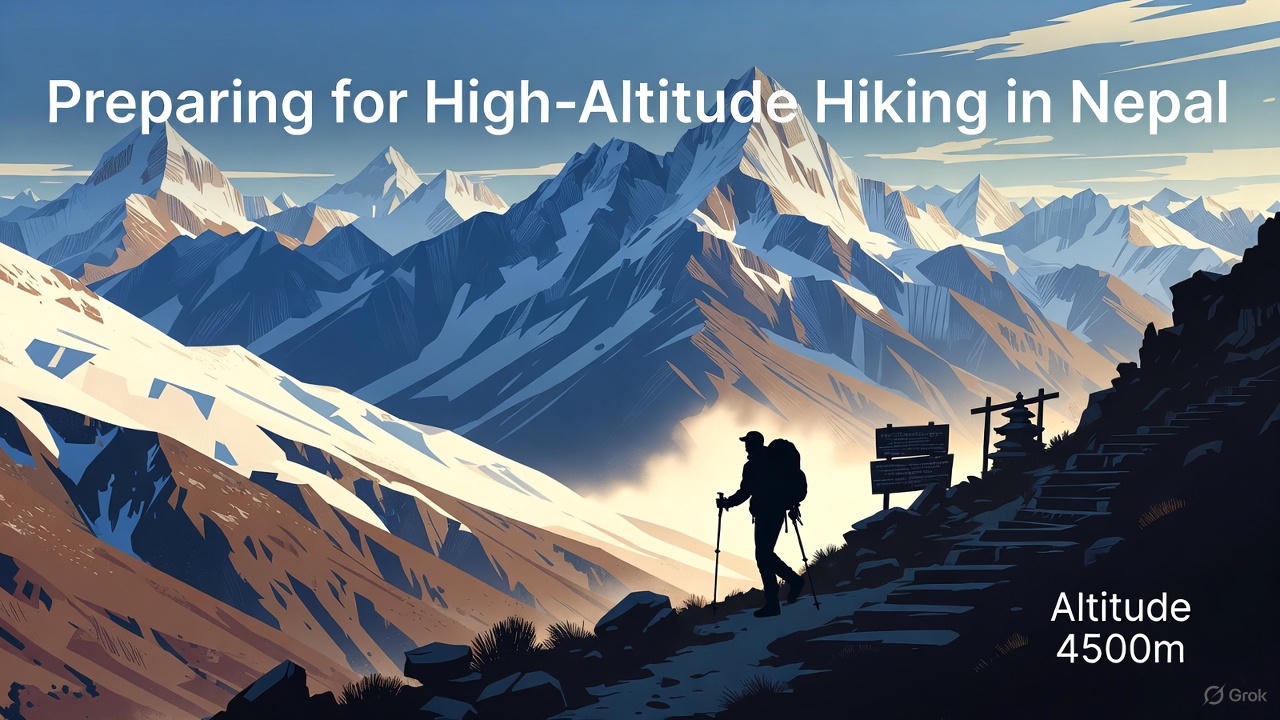
Nepal is not just a place to climb mountains, it’s where entire cultures, climates and ecosystems stack vertically. The Himalaya rises quickly here: low river valleys can meet 7,000-metre summits within a day’s drive. That steepness makes Nepal exceptional, and unforgiving, for high-altitude hiking.
Preparation isn’t optional. It’s the difference between a breathtaking summit sunrise and a rushed, risky retreat. We’ve guided hundreds of trekkers through seasons, storms and celebrations; we’ve seen how the right training, kit and pacing make the mountain generous rather than dangerous. This guide brings that field experience together: physiology explained plainly, Nepal-specific acclimatization, realistic training plans (1, 3 and 6 months), precise packing advice for above 3,000 m, route-by-route altitude notes, and the safety systems we use at RM Treks.
Read this before you book your flight to Nepal. Do the work. The Himalaya rewards those who arrive prepared.
* You may be interested in:
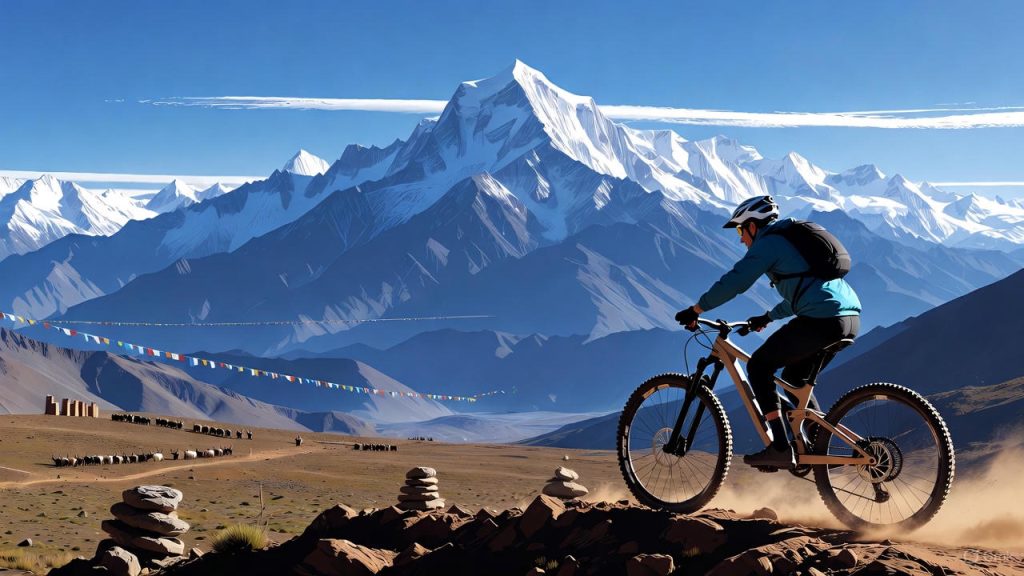
Preparing for high-altitude cycling in Nepal
1. Understanding High Altitude in Nepal
Altitude reference points (what they feel like)
- ~2,500 m (8,200 ft) : Many Himalayan starts sit here. You’ll feel slightly breathless on effort; sleep can be lighter.
- ~3,500 m (11,500 ft) : Aerobic power declines; long efforts feel harder and recoveries take longer.
- ~4,000 m (13,100 ft) : Cold intensifies, appetite often decreases, and minor symptoms of altitude sickness may appear.
- ~5,000+ m (16,400 ft) : The air is thin, shortness of breath is constant even at rest, and cognitive clarity narrows.
Why Nepal’s altitude gains are challenging
Nepal’s trails do not meander through gentle ramps, they cut ascents into single days. You can move 1,000–1,500 m in a single day of hiking or vehicle support. That speed of ascent, combined with physical exertion, increases physiological stress. Many routes include long, steep approaches followed by short nights in exposed settlements: a recipe that demands careful planning and staged exposure.
How the body reacts
At altitude your body gets less oxygen per breath. To compensate it breathes faster and your heart works harder. In the first days you may notice headache, poor sleep, lower appetite, and fatigue. Most people acclimatize if they ascend slowly and rest. If symptoms worsen: persistent severe headache, breathlessness at rest, confusion, or cough producing pink frothy sputum: these are signs to descend and seek medical help.
Early signs to watch for
- Persistent headache that doesn’t respond to acetaminophen/ibuprofen
- Nausea, decreased appetite, or vomiting
- Excessive tiredness or slowed thinking
- Breathlessness beyond expected effort
- Unsteady walking or confusion (dangerous, descend immediately)
RM Treks trains every guide to spot these signs early and to act decisively.
2. Acclimatization Explained
“Climb high, sleep low” – what that means in practice
This classic rule works: expose yourself to higher altitude in the day, but return to sleep at a lower elevation to allow the body to recover. For trekking in Nepal, we use “climb high, sleep low” with deliberate structure: day rides/ridges/short hikes to higher viewpoints, and sleeping at a town 200–600 m lower.
What acclimatization days are really for
Acclimatization is not “resting” only, it’s controlled exposure. Days are used for light activity at higher altitudes, gentle hikes to harden breathing, and metabolic recovery. It’s also the time to monitor symptoms, sleep quality, and oxygen saturation if available.
Classic Nepal acclimatization zones (some examples)
- Namche Bazaar (3,440 m) : A natural first major stop; we spend at least one full acclimatization day here on Everest approaches.
- Dingboche (4,410 m) : Used for staged exposure before pushing toward Lobuche or Island Peak; often includes a day hike to Nangkartshang.
- Manang (3,500–3,600 m) : The Annapurna region’s core acclimatization hub; ideal for an extra rest day before Thorong La approaches.
Sherpa and local physiology (clear-eyed)
Many high-altitude communities have genetic and lifetime acclimatization adaptations that help them live and work at altitude more efficiently. This is a population-level observation and not an instruction to assume immunity. Visiting trekkers cannot rely on local physiology, acclimatization must be personal and conservative.
Why pacing is everything
The mountain punishes haste. Two identical groups can have completely different outcomes depending on pacing. RM Treks builds buffer days and prefers conservative elevation profiles rather than chasing summit lists at the cost of safety.
3. Training for High Altitude (1, 3, and 6 Month Plans)
Preparation windows differ: a month for maintenance, three months to build a strong base, six months for optimal conditioning. Below are frameworks tailored to different starting levels.
Training principles (all plans)
- Build aerobic base first (long, steady sessions).
- Add strength for legs and core, essential for long descents and carrying packs.
- Include uphill repeats and stair training to simulate sustained climbs.
- Practice hiking with loaded backpack; ground specificity is crucial.
- Include mobility and recovery to avoid injury.
1 Month (Maintenance / Final Tune)
For hikers who already have a foundation: maintain aerobic fitness, reduce intensity slightly and focus on hike-specific work.
Weekly:
- 3× steady cardio sessions (45–90 min): hiking, brisk trail runs, or long bike rides
- 2× strength sessions (45 min): light weights, single-leg work, core
- 1× long hike with pack (3–5 hours) at moderate pace
- Daily mobility and sleep prioritisation the last week
3 Month (Solid Prep)
For hikers with moderate activity who want to step up.
Weekly:
- 1 long endurance hike (4–6 hr with pack)
- 2 moderate hikes or downhill-focused sessions (2–3 hr)
- 1 interval or hill session (6–8 repeats of 3–8 min effort uphill)
- 2 strength sessions (including squats, lunges, deadlifts, core)
- 1 active recovery (yoga, swimming)
Progression: increase long hike duration by 10–15% every two weeks, introduce some higher elevation weekend hikes if possible.
6-Month (Optimal Conditioning)
For first-timers or those targeting higher, faster routes.
Monthly progression:
- Months 1–2: Build base; long low-intensity aerobic sessions (2–4× weekly), general strength.
- Months 3–4: Add hill repeats, stair sessions, weighted hikes once weekly, and specific core/hip stability work.
- Months 5–6: Increase long hikes to 6–8 hours with full pack; simulate back-to-back days; include mental pacing drills and cold exposure training if possible.
Sample week (6-month model):
- Mon: Recovery walk / mobility
- Tue: Hill intervals (8×5 min uphill) + core
- Wed: Strength training (lower body focus)
- Thu: Moderate hike (2–3 hr) with pack
- Fri: Rest or gentle yoga
- Sat: Long hike (6–8 hr) with elevation gain
- Sun: Active recovery, stretching
Downhill control and stair intervals
Don’t neglect eccentric strength and joint control. Stair repeats with a weighted pack and controlled downhill runs (watch knees) improve the resilience required on steep, rocky descents.
Mental pacing discipline
Practice walking meditative cadence, rationing effort over 6–8 hour days. Real confidence comes from measured, repeated long days — not single fast hikes.
4. Nutrition & Hydration Strategy
Altitude changes appetite and metabolism. Be deliberate.
Macro strategy
- Carbohydrate emphasis: At altitude, the body prefers carbs as a quicker fuel; ensure a high proportion of carbs in meals and snacks.
- Moderate protein for repair; avoid heavy, high-fat meals late at night that can disrupt sleep and digestion.
- Electrolytes: Bring tablets and use them liberally.
Practical tips for tea-house life
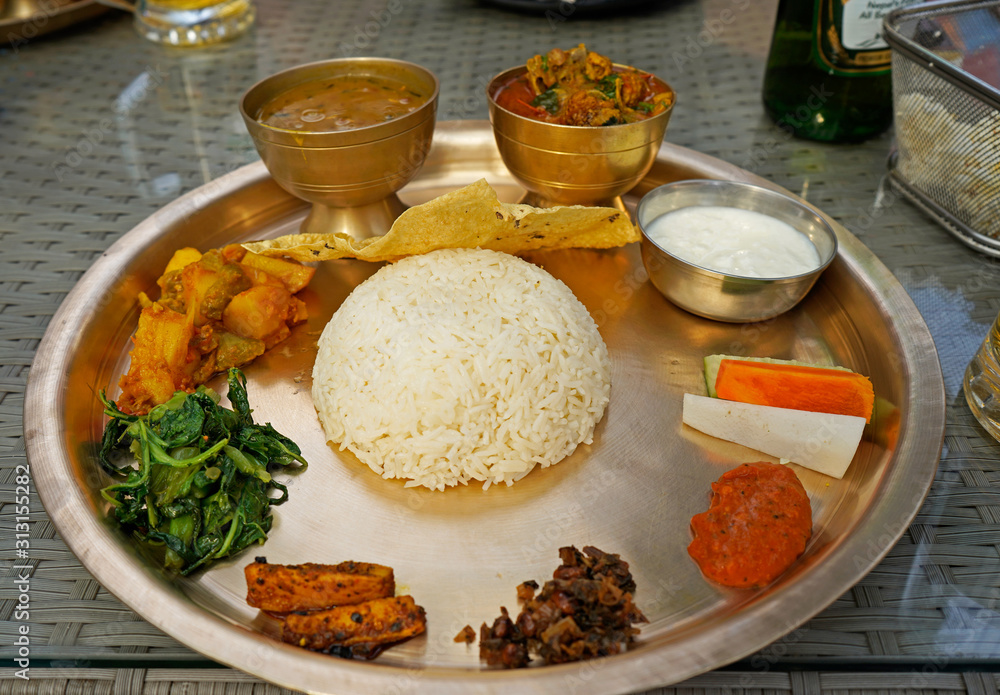
- Choose porridge, rice, noodles and dal bhat for energy and warmth.
- If appetite drops above ~4,000 m, eat smaller, frequent portions rather than forcing large meals. Warm soups are easier to digest and soothe breathing.
- Avoid excessive alcohol and sedatives which worsen sleep quality and breathe suppression.
Hydration mistakes tourists make
- Waiting to feel thirsty is common. At altitude, sip continuously. We aim for 3+ litres per active day, more in dry regions like Mustang.
- Drinking plain water only flushes electrolytes, balance with salted broths or electrolyte mixes.
Gut preparation strategy
- Practice eating the types of meals you will find on trek (porridge, rice, simple stews) before travel.
- Pack probiotic supplements and a small anti-diarrheal kit; intestinal issues degrade acclimatization quickly.
5. Nepal Trekking Seasons & Best Time for High-Altitude Hiking
Autumn (Sep–Nov) : the golden window
Clear skies and stable weather. Warm days, cold nights. Peak views, full tea-houses. Our top recommendation for visibility and trail conditions.
Spring (Mar–May) : the blooming window
Rhododendron and wildflower season; slightly warmer temperatures and excellent visibility. Late spring can present unstable pre-monsoon rains at higher elevations.
Winter (Dec–Feb) : advanced only
Cold, crisp skies and minimal crowds. High passes can be snowbound; this window suits lower routes or well-supported, experienced groups with winter kit.
Monsoon (Jun–Aug) : largely unsuitable
Heavy, unpredictable rains cause landslides and saturated trails. Lower, rain-shadow areas (e.g., Upper Mustang) may be options, but general high-altitude trekking is not recommended.
6. Altitude-Specific Packing List (above 3,000 m only)
Real kit choices save weight and lives. Bring quality over abundance.
Clothing & layering
- Base layers: Merino or synthetic long-sleeve top and leggings.
- Mid layer: Fleece or synthetic insulated jacket.
- Insulation: Down jacket 800–900 fill or equivalent warm synthetic (comfortable to at least -10 °C at rest).
- Shell: Waterproof/breathable hardshell (hooded).
- Trousers: Softshell or insulated trekking trousers for cold mornings.
- Hands/heads: Warm hat, buff, thin liners + warm mitts or gloves.
Footwear & sleep system
- Boots: Well-broken in, ankle support, stiff sole for long days. Gaiters for snow/mud.
- Sleeping bag: Rated to at least -10 °C for Himalayan high camps; bring a warm liner for extra nights.
- Down booties for evening comfort.
Sun & eye protection
- High SPF sunscreen (50+), lip balm SPF, wide-brim hat and UV sunglasses (category 3 with good side protection).
Electronics & survival
- Headlamp with spare batteries.
- Power bank (20,000 mAh), solar panel optional.
- Pulse oximeter : Small, cheap and invaluable for monitoring oxygen saturation trends (mostly provided by the organizer, like RM Treks, during trekking) .
- Satellite communication : For remote routes or group-level backup (also arranged by the organizer).
Poles, gloves, first aid
- Trekking poles reduce knee stress and aid pacing on steep ascents.
- Comprehensive first-aid kit plus altitude meds (acetazolamide only if prescribed). RM Treks provides guide-level emergency kits.
Water treatment
- Filters (pump or gravity) or chemical tablets. Avoid relying on boiled tea alone for daily water needs
7. Route-Specific Altitude Challenges
Classic Everest Base Camp Trek
- Everest Region, Nepal
- 12
- Group: 1 - 12
- From $1590
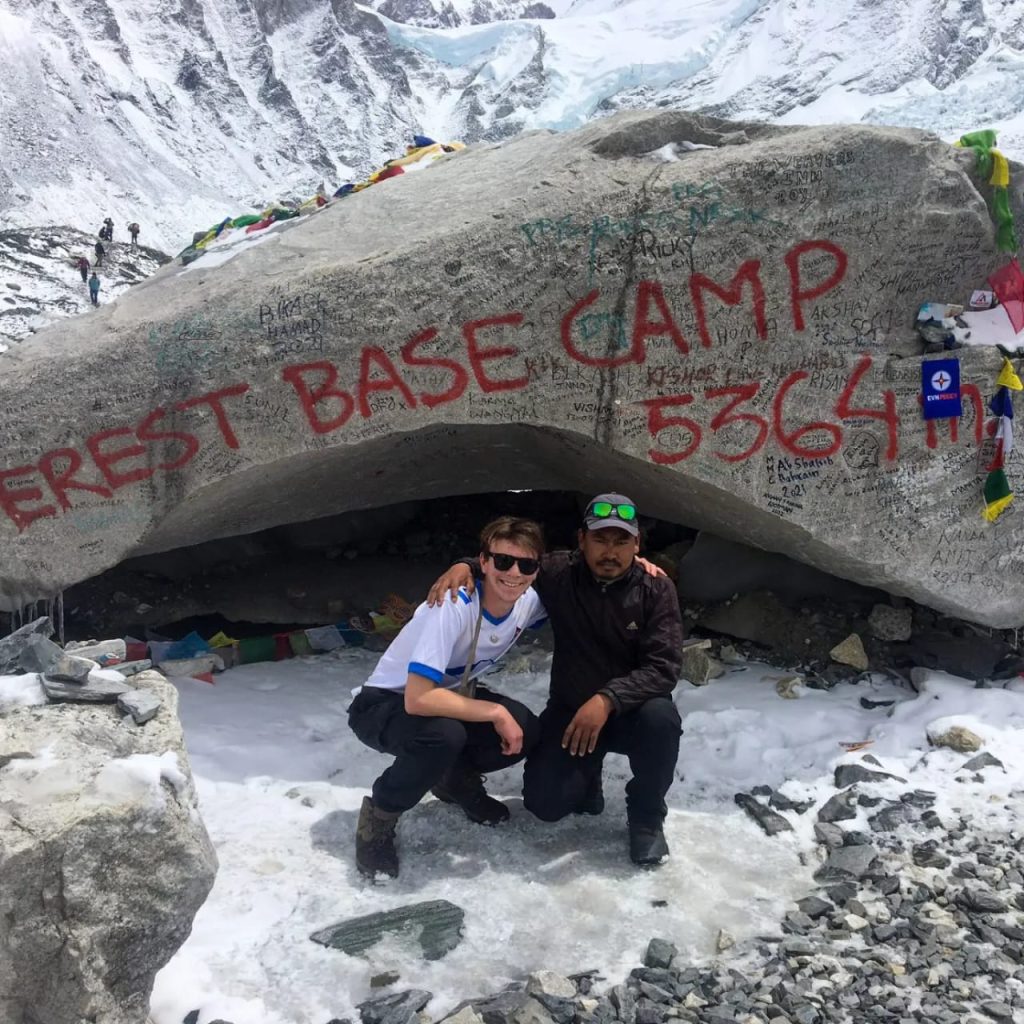
- Highest common sleeping elevations: Lobuche (4,940 m) and Gorak Shep (5,140 m) before EBC.
- Risk zones: Rapid ascent from Namche to Tengboche and beyond without adequate acclimatization.
- What you can do: Include at least 2 full rest/acclimation days in Namche and a staged approach through Dingboche/Gokyo or via Kala Patthar hikes for exposure.
Short Annapurna Circuit Trek
- Annapurna Region
- 13
- Group: 1 -
- From $1175
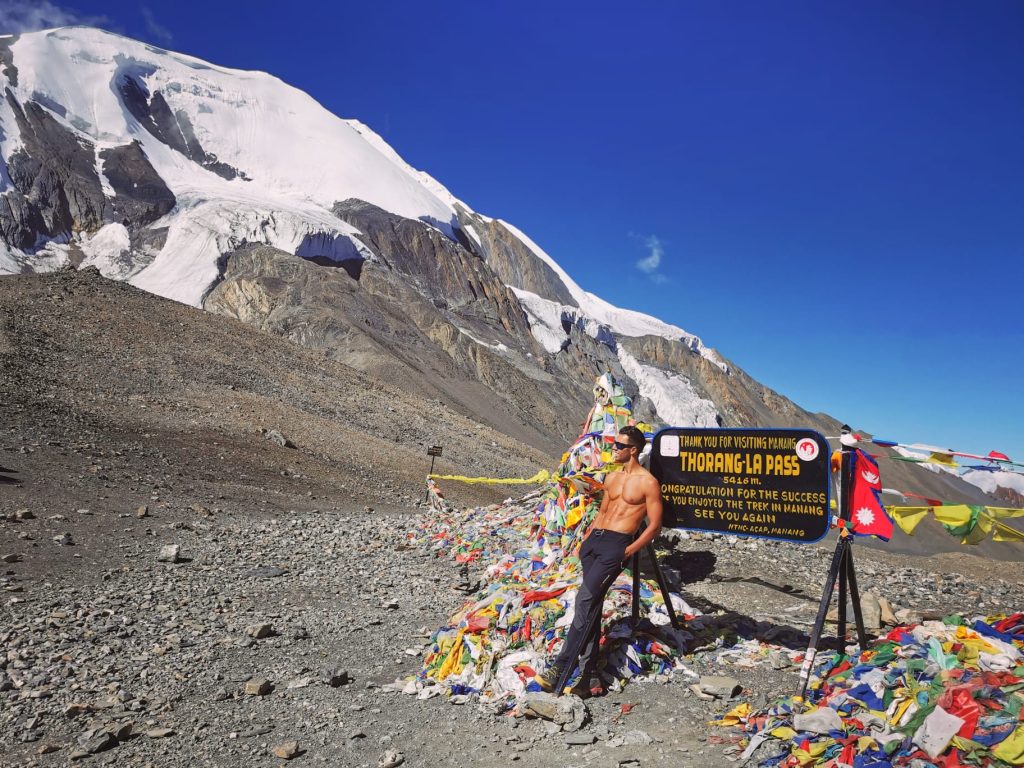
- High passes: Thorong La (~5,416 m); exposure, wind and rapid weather changes.
- Risk zones: Long approaches to the pass and the descent; ensure rest days at Manang or acclimatization hikes to Jhong or Ice Lake.
Manaslu Circuit
- Restricted permits and remote logistics. Highest points near Larkya La (~5,160 m).
- Risk: Long, remote sections and uncertain weather windows. Build extra buffer days and bring contingency plans.
Langtang
- Peaks are lower but quick elevation gain from Kathmandu makes acclimatization useful. Landslide risk exists in monsoon and post-monsoon seasons.
Mardi Himal
- Lower overall altitudes but a steep approach from Kande/Dhampus makes for sharp single-day elevation changes. Take a conservative pace and use Phedi or Kande as warm-ups.
For each route, RM Treks crafts an altitude plan: rest days, ride/hike high exposures, and shuttle alternatives if a day’s load would breach safe elevation gain.
8. What Trekkers Often Get Wrong
- Rushing Days 1–3: Thinking you’re “fit enough” and ascending quickly. Early haste is the most common mistake.
- Under-training for descents: Descending is muscularly demanding and causes delayed onset muscle soreness. Train eccentric strength.
- Heavy boots without training: Heavy footwear blunts efficiency; practice long walks with pack weight.
- Underhydration: People underestimate fluid needs at altitude. Sip continuously.
- Refusing acclimatization days: Pride and schedules harm more trekkers than weather.
- Poor nutrition pacing: Waiting for big meals rather than micro-feeding throughout the day.
- Himalayan pace denial: The mountain sets its own tempo. Those who accept slow and measured days experience more success.
9. Safety Protocols at RM Treks
We operate with strict safety systems designed around evidence and field-tested practice.
Daily health checks
- Morning symptom checklist, SpO₂ readings and resting heart rate tracked per client. Changes trigger a protocol.
Oxygen saturation monitoring
- We use pulse oximeters to detect trends, not single readings. A falling trend prompts rest or descent.
Experienced local guides
- Guides trained in wilderness first aid, HAPE/HACE recognition and evacuation procedures. Many of our senior guides grew up in the ranges they lead.
Small group sizes
- Groups are kept small (often private group of family/friends) to allow individual attention, better pacing and cultural integrity.
Emergency communications
- Satellite phones or inReach units on remote treks, plus daily check-ins where network exists.
Evacuation protocol
- Pre-planned evacuation points, liaison with local helicopter services, and insurance verification (we require proof of travel insurance with high-altitude evacuation coverage).
Environmental & ethical protocols
- Leave-no-trace principles, responsible waste disposal, and use of local lodges and porters paid fair wages.
RM Treks documents all safety procedures and trains staff regularly; those operational standards are part of the core offering, not an extra.
10. Cultural Connections at High Altitude
High-altitude trails are living landscapes: gompas, mani walls, prayer flags and village courtyards. Respect is a small effort that yields big trust.
- Ask before photographing people. Many families are welcoming, but privacy and respect matter.
- Remove shoes when entering certain prayer rooms. Follow local custom quietly.
- Offer small gifts (school supplies or communal tea money) through lodge managers rather than handing cash directly.
- Learn a few phrases: Like “namaste” opens doors and smiles.
Understanding spiritual landmarks (stupas, chortens) and local festivals creates deeper, safer experiences, and supports genuine cultural exchange.
11. Sample Mini Itinerary
2-Day Pre-Trek Acclimatization in Kathmandu & Pokhara
This two-day plan prepares legs and lungs before heading into the hills.
Day 1 : Kathmandu (1,350 m)
- Morning: Light city walk to Swayambhunath for 45–60 minutes; tests pack & boots.
- Afternoon: Gear check with RM Treks team; sleep early.
- Nutrition: Carb-rich dinner, hydrate.
Day 2 : Drive to Changunarayan (1,600 m) / Short climb to Nagarkot (2175 m)
- Morning: Drive to Changunarayan, short 4-5 hour hill hike up to Nagarkot viewpoint to simulate elevation change and test breathing.
- Afternoon: Easy descent, final kit adjustments, nutrition briefing.
- Night: restful sleep near lake; light stretching session.
This simple exposure primes breathing and uncovers any equipment issues before the higher days.
12. Why Choose RM Treks
We are Himalayan people first. Our lead guides have decades of seasons behind them; our logistics teams are local and experienced; our safety systems combine modern medical guidelines with traditional mountain knowledge.
- Field-tested itineraries with realistic acclimatization.
- Local guide networks with intimate trail knowledge.
- Small groups, ethical porter employment, and sustainable lodge partnerships.
- Detailed pre-departure training resources and packing checklists.
- Clear evacuation and medical protocols for every departure.
We don’t promise guarantees in a wild mountain range. We promise preparation, prudence and the care of an experienced mountain partner. Read more about our team, our expertise, etc. on our About Us page.
13. FAQs
No. Diamox (acetazolamide) can aid acclimatization but should be discussed with your physician. It’s not a substitute for slow ascent and rest.
There’s no single “ideal.” Monitor trends: an unexplained resting HR rise of >10–15% day-to-day can indicate stress or poor acclimatization.
Stop ascending immediately, rest, hydrate, and inform your guide. If symptoms persist or worsen, descend to a lower elevation and seek medical help.
Yes for many lower and mid-altitude treks (Poon Hill, Ghorepani), but high-altitude routes require preparation, fitness and conservative pacing.
Solo trekking increases risk. We recommend guided trips for high-altitude routes because of group monitoring, local knowledge and evacuation logistics.
Both. Mountain trails and stair training are most specific, but treadmills help build base volume if outdoor options are limited.
Choose a bag rated at least -10 °C for higher camps; bring a liner for added warmth and hygiene.
Light to moderate hiking boots with good ankle support and stiff midsoles; break them in on long hikes before travel.
Network is often unavailable. Power is intermittent: bring power banks and be prepared for offline navigation and communication.
Tea houses vary in comfort and food quality; RM Treks vets and reserves lodges that meet hygiene and comfort standards.
Aim for 3+ liters on active days above 3,000 m. Use electrolytes regularly.
Most regions have permits and regulations, and some even have a different special permit (Manaslu, Upper Mustang, etc.) because of being restricted. RM Treks handles all permit logistics.
Active acclimatization (short hikes to higher exposure then return) helps, but over-exerting accelerates AMS risk. Keep exposures controlled.
Pulse oximeter trend monitoring is useful. Pre-trip cardiopulmonary checks are wise for those over 40 or with medical conditions.
Travel insurance covering high-altitude rescue and helicopter evacuation is mandatory for high passes. Verify altitude limits with your insurer.
Conclusion
High-altitude hiking in Nepal is a transformational experience: sensory, cultural and deeply human. But it asks for preparation: respect the mountain, prepare your body, pack precisely, and pace conservatively. The best moments: a silent sunrise over a ridgeline, a shared cup of tea in a stone village, the slow reward of walking into a high valley, are available to anyone who comes prepared and humble.
If you want support building a training plan, checking gear lists, or designing a responsible acclimatization itinerary for a specific route, RM Treks’ expert guides are ready. Contact us now. We bring field-tested knowledge, local relationships, and safety systems to every trip so that your Himalayan experience is not only unforgettable, it’s also wise.